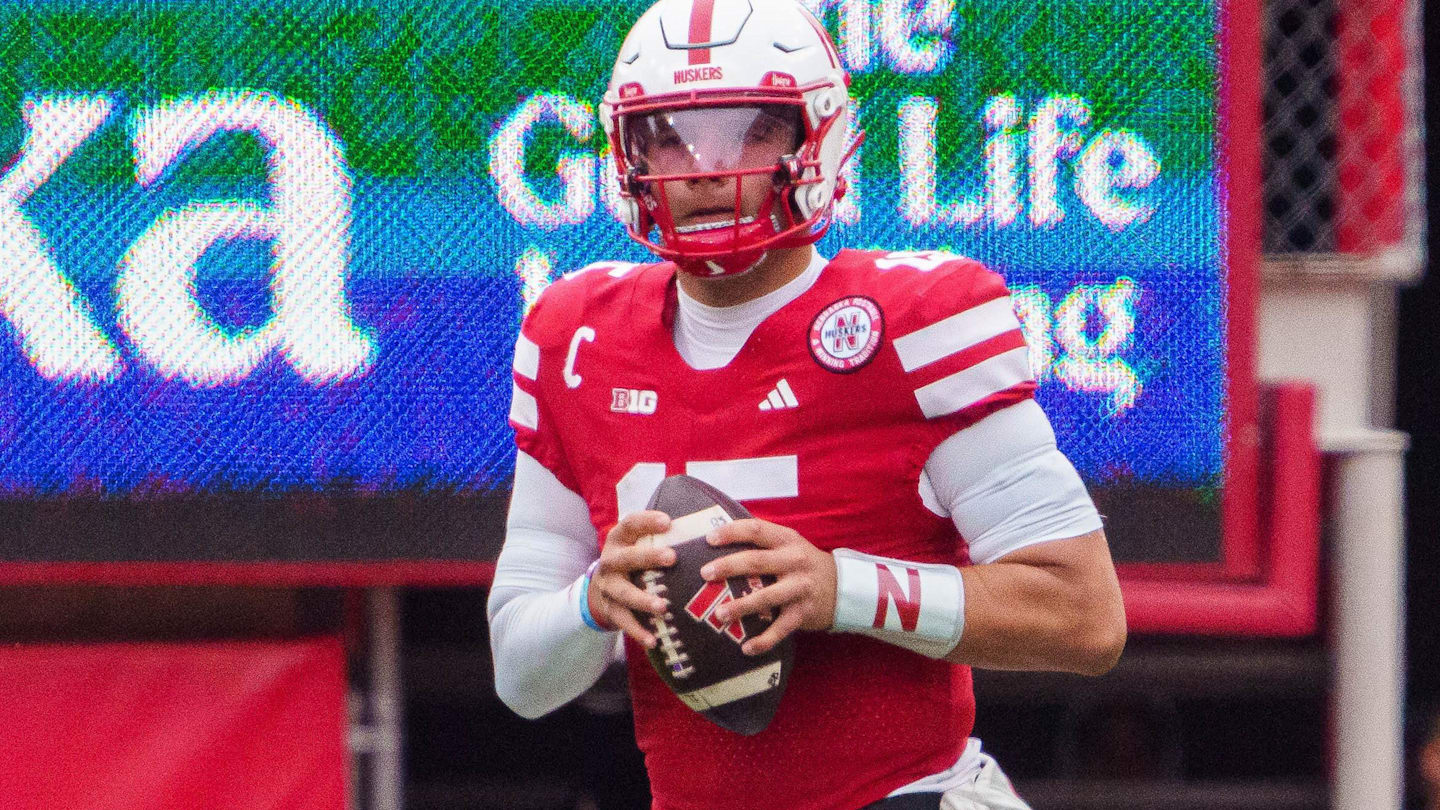
The departure of Dylan Raiola from the Nebraska Cornhuskers has sparked widespread discussion among fans and analysts alike. As one of the most highly touted recruits in recent years, Raiola's decision to leave the team raises questions about the future direction of Nebraska's quarterback position and overall team strategy.
Many experts believe that Raiola's exit signifies a broader transition within the Nebraska football program. Some see it as an opportunity for other players to step up and fill the void, while others worry about the potential impact on team morale and recruiting efforts. The coaching staff's handling of the situation is also under scrutiny, with some suggesting that it reflects the evolving landscape of college football recruiting and player development.
From a strategic standpoint, Raiola's departure could influence Nebraska's offensive schemes moving forward. The team may need to adapt to a different style of play or accelerate the development of alternative quarterbacks. This shift could also affect the team's competitiveness in the upcoming seasons, especially in a conference as competitive as the Big Ten.
Furthermore, Raiola's exit highlights the increasing prominence of quarterback transfers in college football. As players seek better opportunities or more playing time, programs must adapt to this new reality. Nebraska's handling of Raiola's departure might serve as a case study for other programs navigating similar situations.
In conclusion, Dylan Raiola's departure from Nebraska is more than just a roster change; it reflects broader trends in college football and presents both challenges and opportunities for the program. Whether this will lead to a rebuilding phase or a new era of success remains to be seen, but it undoubtedly marks a pivotal moment for Nebraska football.